




Korean tea culture is a timeless tradition that blends history, mindfulness, and natural harmony into everyday life. Within this cultural framework, Korean tea guide helps us understand how tea practices evolved into a meaningful part of social, spiritual, and personal well-being. From ancient royal courts to modern tea houses, Korea’s tea traditions reflect simplicity, respect, and deep appreciation for nature. Tea is not just consumed for taste but experienced as a mindful ritual that connects people to history and environment.
What is the origin of Korean tea traditions?
Korean tea traditions trace back over a thousand years, influenced by cultural exchanges with neighboring civilizations. Initially introduced through Buddhist monks, tea quickly became part of meditation and spiritual practice. During the Goryeo and Joseon dynasties, tea was widely used in court rituals and scholarly gatherings. Over time, it became associated with refinement, discipline, and hospitality. Although its popularity fluctuated across centuries, modern Korea has revived tea culture as an important heritage practice.
What types of Korean tea are commonly used?
Korea offers a diverse range of Korean teaware guidethat reflect its natural landscape and seasonal rhythms. Green tea is one of the most traditional varieties, valued for its fresh aroma and health benefits. Barley tea, known as bori-cha, is widely consumed in households and often served cold in summer. Omija tea provides a unique blend of five flavors—sweet, sour, bitter, salty, and spicy—making it one of the most distinctive Korean beverages. Yujacha, made from citrus fruit, is popular during winter for its soothing and warming qualities. These teas highlight Korea’s strong connection to seasonal ingredients.
How is Korean tea traditionally prepared?
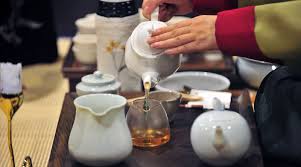
Traditional Korean tea preparation emphasizes balance, patience, and natural purity. Water temperature is carefully controlled to preserve flavor and prevent bitterness. Tea leaves are steeped gently in small vessels, often allowing multiple infusions that reveal evolving taste profiles. Clean, soft water is preferred to enhance clarity and aroma. The preparation process is slow and intentional, encouraging mindfulness and appreciation of each step. This method reflects the philosophy that tea should calm the mind and harmonize the body.
What is the Korean tea ceremony?
The Korean tea ceremony, known as Darye, is a practice centered on simplicity, respect, and mindfulness. Unlike highly formalized ceremonies in other cultures, Darye emphasizes natural flow and ease. Participants prepare and serve tea in a quiet environment that encourages reflection and peaceful interaction. The ceremony is influenced by Buddhist and Confucian values, promoting humility and harmony. Today, it is practiced in cultural centers and wellness programs as a way to preserve tradition and encourage mental relaxation.
How does Korean tea culture influence daily life?
Korean tea culture continues to influence daily life by promoting balance and well-being. Many people incorporate tea into their routines for relaxation, hydration, and health benefits. Tea is often served to guests as a gesture of hospitality and respect. In modern society, it also aligns with growing global interest in mindfulness and natural living. Tea houses across Korea offer spaces for quiet reflection away from busy urban environments. This ongoing practice demonstrates how tradition adapts to contemporary lifestyles.
Korean tea culture remains a living heritage that bridges the past and present. It reflects values of simplicity, respect, and harmony with nature. Whether enjoyed in traditional ceremonies or as part of everyday life, tea continues to offer a meaningful experience that goes beyond taste. It invites individuals to slow down, reflect, and appreciate small moments of peace. As interest in cultural traditions and wellness grows worldwide, Korean tea ceremony practices continue to inspire mindful living and cultural appreciation across generations.